
Precision casting with excellent quality
Integrated research and development, manufacturing, sales, and technical services of laboratory scientific instruments and intelligent equipment
National Consultation Hotline 15738867410
Integrated research and development, manufacturing, sales, and technical services of laboratory scientific instruments and intelligent equipment
National Consultation Hotline 15738867410

15738867410
Greenland Binhu International City (District 1), Erqi District, Zhengzhou City, Henan Province
Details
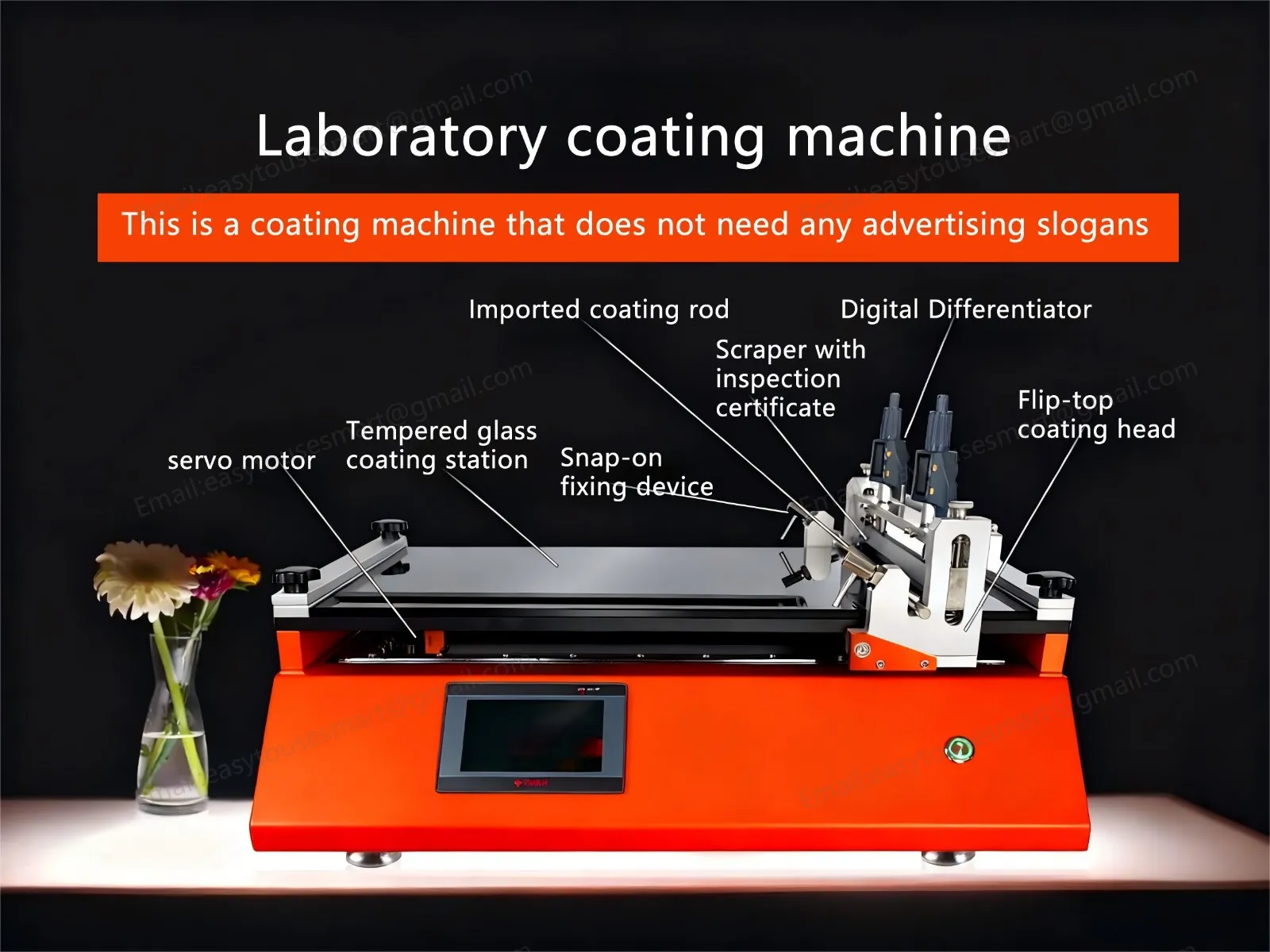
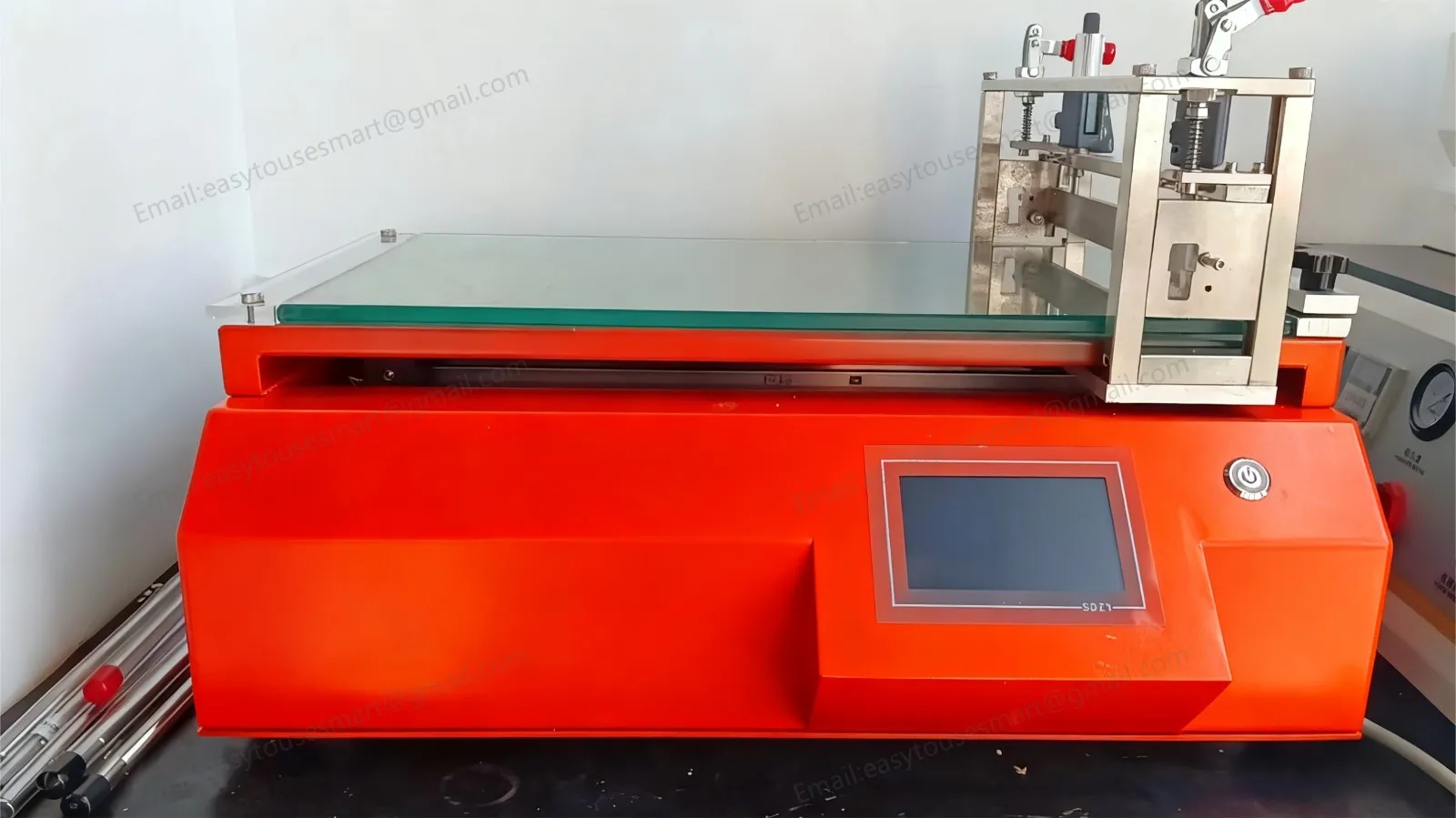
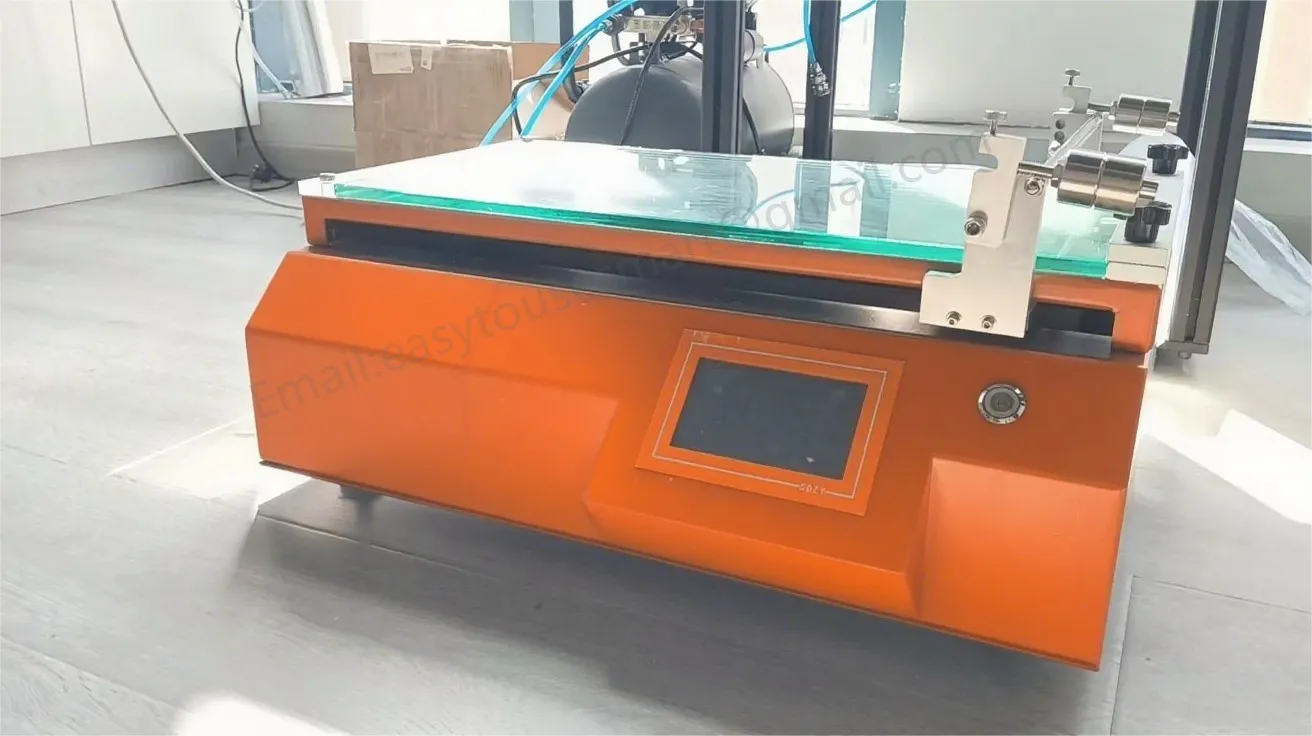
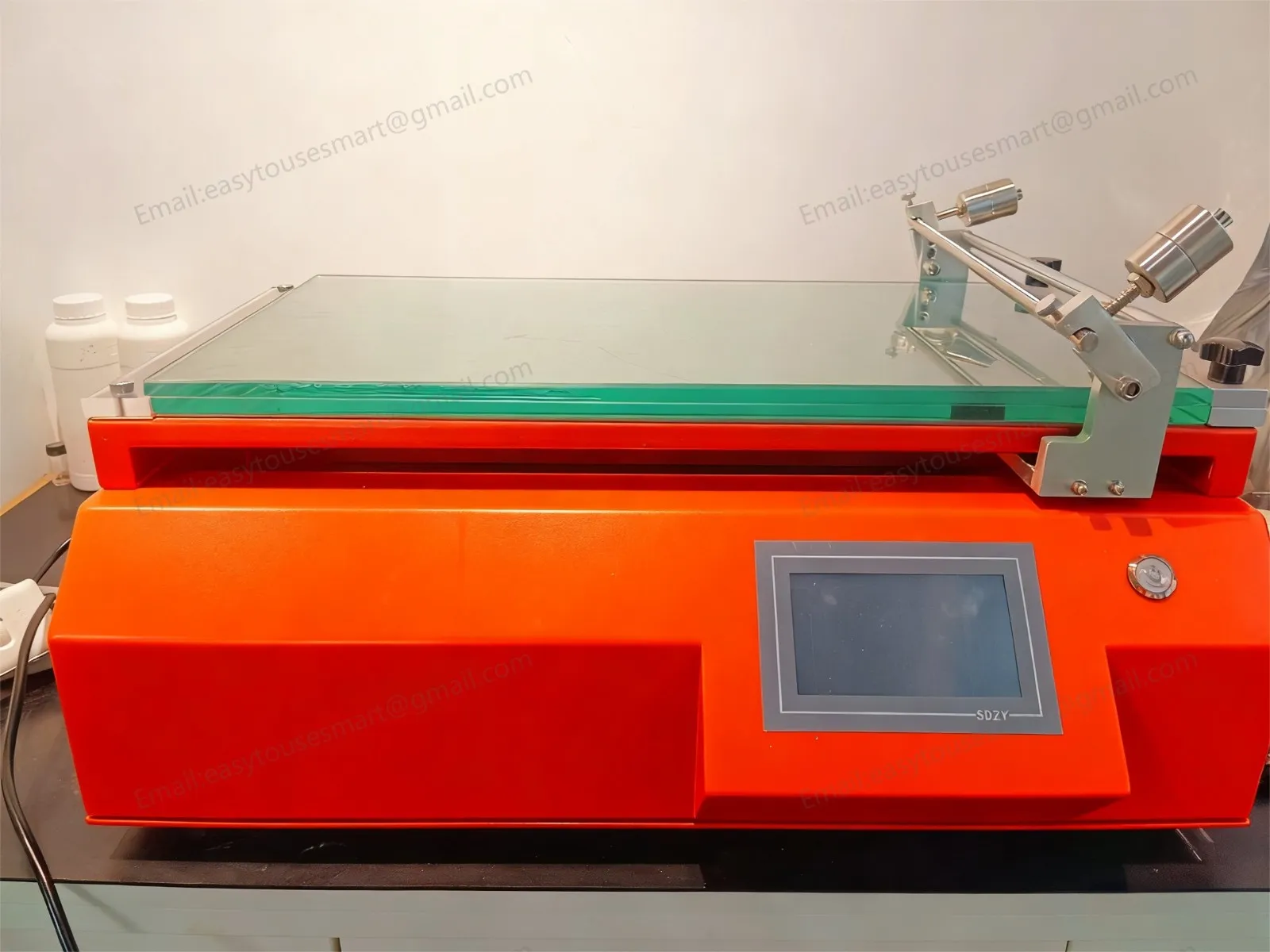
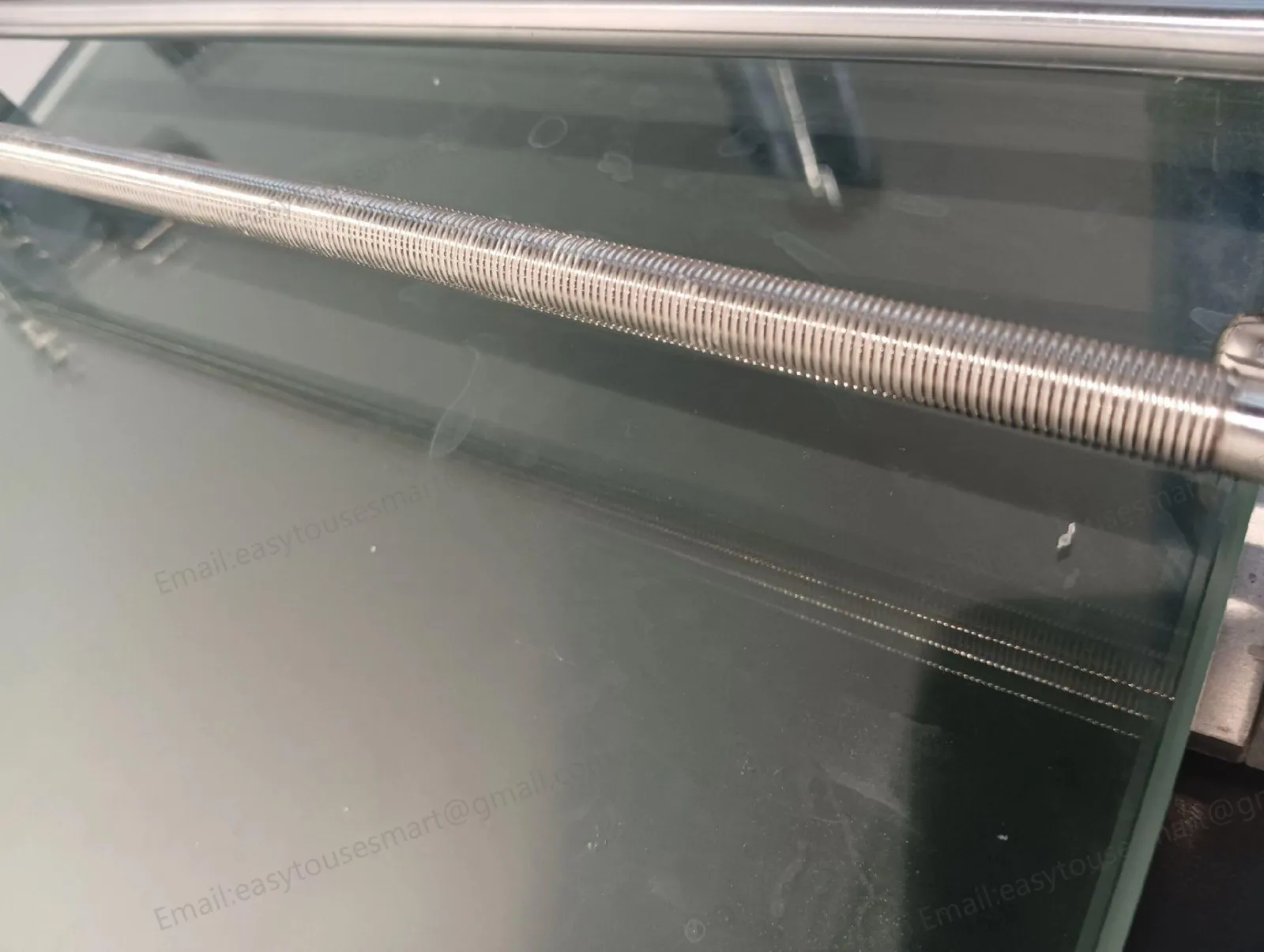
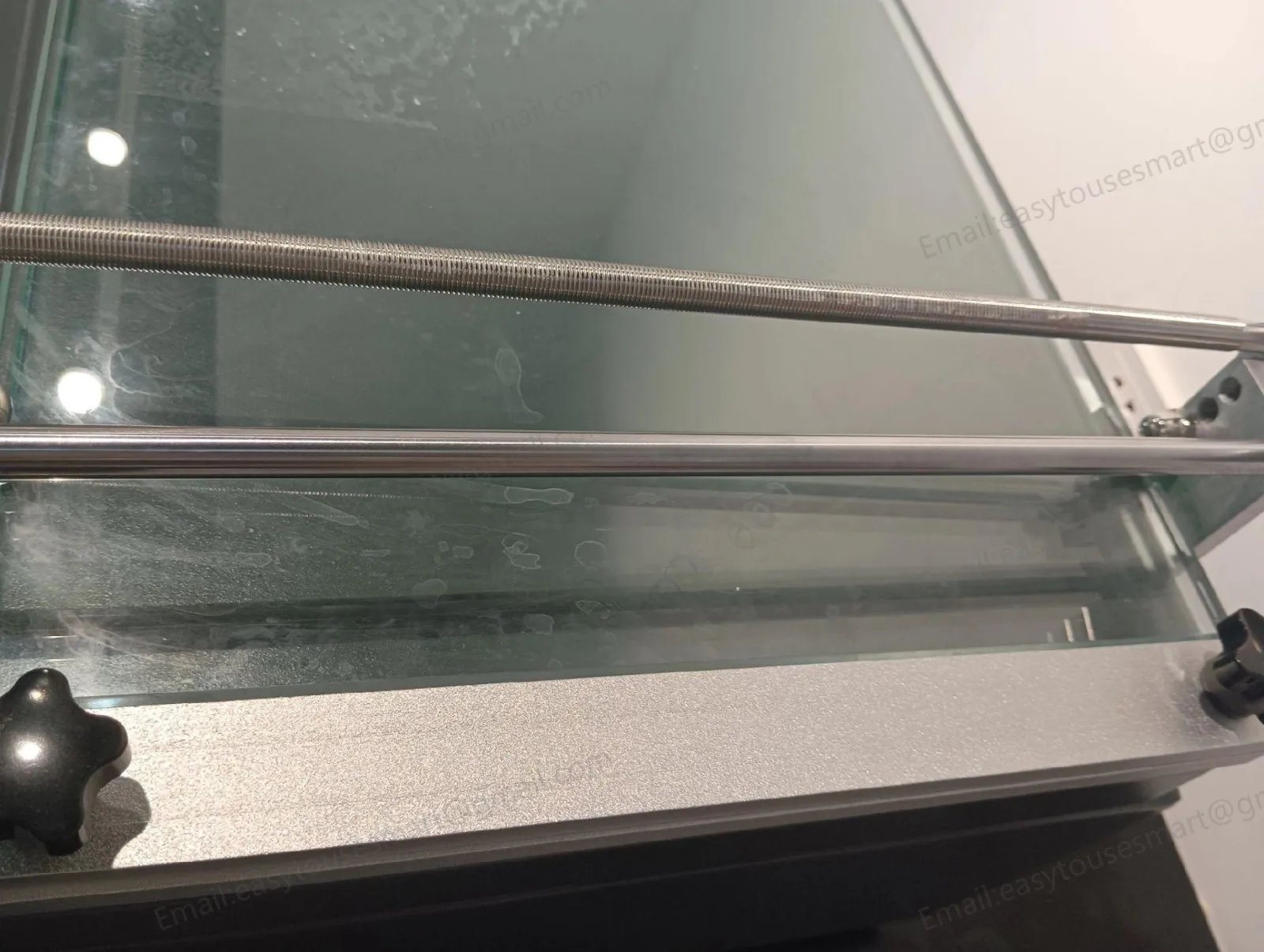
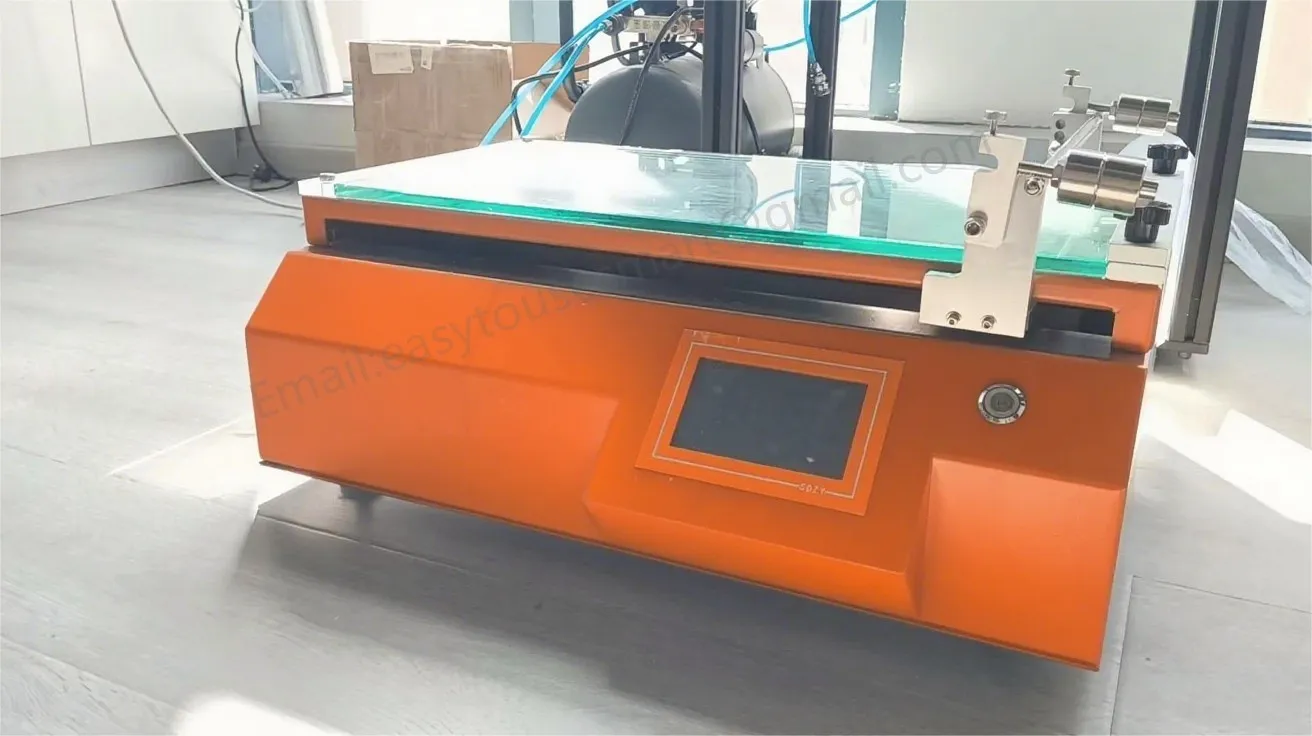
The laboratory flat film coating machine is a multifunctional intelligent coating system specifically designed for advanced material science research and precision coating process development. Featuring a modular integrated structure, this equipment enables uniform coating of liquid and semi-liquid materials (including photoresists, battery slurries, nano-coatings, biological reagents, etc.) on various substrate surfaces through high-precision motion control of the coating head, whether in ambient temperature or strictly controlled temperature and humidity environments.
Extensive substrate compatibility: The device seamlessly accommodates diverse substrate types, fulfilling cross-disciplinary research requirements.
· Glass/Quartz sheets: Suitable for thin film fabrication in optical devices, display panels, and microelectronics.
· Silicon/Ceramic wafers: Specifically engineered for semiconductor chips, MEMS devices, and electronic components.
· Flexible substrates, such as PET and PI films, are widely used in flexible electronics, wearable devices, and organic photovoltaic applications.
· Metal foils, such as aluminum and copper foils, serve as the core substrates for electrode coating in lithium-ion batteries and solid-state battery development.
Diverse applications of functional coatings:
· Microelectronics: Precision deposition of photoresist coatings for integrated circuits and dielectric layers for MEMS devices.
· New energy sector: Lithium-ion battery anode and cathode slurry coating, solid-state battery electrolyte coating, and fuel cell catalytic layer preparation.
· Optical field: coating of optical film precursor, nano antireflection coating, uniform preparation of filter and reflective film.
· Biomedical applications: drug-loaded coatings, biosensor sensitive films, surface modification of microfluidic chips, and tissue engineering scaffold coatings.
· Excellence in motion control: The coating head utilizes high-performance servo motors to drive rigid linear guides, ensuring smooth and vibration-free operation. The coating speed can be precisely controlled within the range of 0.1-200 mm/s, with positioning accuracy up to **±0.01 mm**. It supports various complex coating modes, including linear coating, curved coating, and grid array coating, meeting diverse experimental requirements.
· Extreme thickness control: By precisely adjusting the spacing between the coating head and substrate (adjustable from 0.1 to 500 μm) and synergistically optimizing the viscosity and movement speed of the slurry, the system achieves accurate thickness control ranging from nanoscale to micrometer scale (50 nm-500 μm). The equipment demonstrates excellent film thickness uniformity with an error margin <3%, ensuring high reliability and reproducibility of experimental data.
· Full-process automation: Equipped with an advanced PLC programmable controller, it supports users in customizing the entire coating parameter set, including coating path, speed, coating frequency, and interval time. The system can store over 50 process programs, enabling one-click startup to automatically complete the entire workflow, such as substrate positioning, coating, and drying (optional), significantly enhancing experimental efficiency.
· Closed-loop monitoring of environmental parameters: Equipped with a high-sensitivity temperature sensor (monitoring range: room temperature to-150°C, accuracy ±1°C) and a humidity sensor (accuracy ±2% RH). The system supports real-time monitoring and closed-loop feedback control of the coating environment, effectively eliminating the impact of environmental fluctuations on film formation quality and ensuring process stability.
· Multi-coating head compatible design:
o Standard configuration: precision wire rod coating head (for low-viscosity solutions) and scraper coating head (for high-viscosity slurries).
o Optional: Slit coating head (suitable for high-precision micron-level control), comma roller coating head, or spray coating head. This modular design enables adaptation to a wide range of material systems, from highly fluid solutions to highly thixotropic pastes.
· Extensive substrate size adaptability: Supports substrate sizes ranging from 10 mm×10 mm to 300 mm×300 mm. Equipped with a vacuum adsorption platform (with adjustable suction) that securely holds various rigid and flexible substrates, completely eliminating displacement and wrinkling during the coating process.
· Visualization interface: Equipped with a high-definition color touchscreen, it dynamically displays key parameters such as coating speed, position, temperature, and vacuum level in real time. Supports historical data storage and USB export functions for easy data traceability and process analysis.
· Comprehensive safety protection: Equipped with emergency stop buttons, protective barriers for moving parts, and leakage current overload protection functions to ensure full operational safety. The coating chamber can be optionally fitted with a ventilation module to effectively reduce the accumulation of volatile organic compounds (VOCs), complying with laboratory environmental protection standards.
· Maintenance-friendly design: The coating head features a quick-release structure, enabling cleaning and replacement within 5 minutes; the waste liquid collection tray adopts a drawer-style design for easy rapid cleaning and maintenance, reducing downtime.
To meet advanced research and pilot-scale needs, the equipment offers the following optional upgrade components:
· Online monitoring component: Equipped with an optional laser thickness gauge (accuracy **±1%**) or microscopic vision system, enabling real-time online monitoring and feedback of coating thickness and uniformity.
· Heating/Cooling Platform: The substrate stage supports a temperature range of-20°C to 150°C with ±0.5°C control accuracy, making it particularly suitable for coating processes of temperature-sensitive materials such as perovskite and biological proteins.
· Automatic feeding system: Equipped with precision metering pumps (flow accuracy **±0.1%**), supporting continuous stable feeding or pulse-type dotting coating, significantly reducing manual intervention and improving process consistency.
Parameter item | qualification |
coating speed | 0.1-200 mm/s (stepless adjustment) |
positioning accuracy | ±0.01 mm |
film head pitch | 0.1-500 μm (adjustable) |
thickness range of coating | 50 nm - 500 μm |
film thickness uniformity | Error <3% |
temperature control range | Room temperature-150°C (standard), -20°C to 150°C (optional) |
temperature control accuracy | ±1℃ (standard), ±0.5℃ (optional) |
Humidity measurement accuracy | ±2% RH |
substrate size range | 10 mm×10 mm to 300 mm×300 mm |
programmed process control | ≥ 50 groups |
Coating Mode | Straight lines, curves, grid arrays |
power requirement | AC 220V,50/60Hz (typical values) |
class | Specific accessories | function declaration |
coating head assembly | Wire rod coating head (φ3-φ20 mm) | Suitable for uniform coating of low-viscosity solutions, with coating thickness precisely controlled by the diameter of the wire rod. |
Slit coating head (slit width 50-500 μm) | Suitable for precision coating of high-viscosity slurries, supporting micron-level thickness control | |
substrate processing | Vacuum heating platform (room temperature-150°C) | Preheating of Substrate and Constant Temperature Coating to Improve Adhesion and Crystallization Quality of Coating |
feed system | Precision metering pump (0.1-100 mL/min) | Supports continuous and stable slurry conveyance, with compatible storage tanks available in 50 mL, 250 mL, and 1000 mL capacities. |
Detection and analysis | non-contact thickness gauge | Real-time measurement of coating thickness with accuracy ±2% |
Auto Upgrade | Automatic Sample Replacement System for Robotic Arm | Supports batch loading of 10-20 substrates for continuous unattended coating |
1. Semiconductor manufacturing: Precisely applying photoresist on 8-inch silicon wafers for integrated circuit patterning, ensuring uniform line width.
2. New Energy R&D: Uniformly coating lithium iron phosphate slurry on aluminum foil to fabricate high-performance lithium-ion battery cathode electrodes, optimizing battery energy density.
3. In the field of flexible electronics, silver nano-ink was coated on PI flexible substrate to fabricate conductive circuits for wearable devices, and the bending performance was tested.
4. Optical device fabrication: Titanium dioxide nanoscale paste is coated on glass substrate, and high quality optical antireflection coating is formed after sintering, which improves the light transmittance.
5. Development of biosensors: Coating enzyme solution at fixed points on the slide to prepare sensitive detection areas for biochips, thereby enhancing detection sensitivity and specificity.
· Versatile compatibility: Supports both contact-based and non-contact-based coating modes, compatible with various material forms including solutions, slurries, and nano-dispersions, covering the full spectrum from basic research to pilot-scale production.
· High Precision and Reproducibility: The control accuracy of key process parameters (thickness, speed, temperature) reaches industry-leading levels, with batch-to-batch reproducibility error **<3%**, providing a solid guarantee for the reliability of scientific research data.
· High efficiency with low energy consumption: Featuring an energy-saving drive system and optimized structural design, this equipment reduces energy consumption by 15% compared to traditional models under identical manufacturing conditions, while supporting 24/7 continuous operation.
· User-friendly: The interface is simple and intuitive, supporting one-click process initiation and parameter invocation, making it easy for beginners to get started. The modular design ensures low maintenance costs and a long service life.
Choosing the laboratory flat film fabric machine means selecting a precise, efficient, and flexible film preparation solution, accelerating innovation and overcoming technical bottlenecks in new material R&D.
QR code

Contact information
15738867410
Online Message
Top